


Creating a functional and efficient layout for a small warehouse can be challenging but rewarding. A well-thought-out design ensures optimal use of limited space, streamlines operations, and boosts productivity. Whether you’re setting up a new facility or reconfiguring an existing one, this guide will help you design a layout that meets your business needs.
1. Assess Your Space and Needs
The first step in designing a warehouse layout is understanding your specific requirements. Consider the following:
- Inventory Type: What kind of products will you store? Are they bulky, lightweight, or require special handling?
- Volume of Stock: How much inventory do you plan to store at a time?
- Access Points: Note the number of doors, docks, and exits.
Carefully measure your space and draw a scale plan. Include aisles, shelving, and storage areas to visualize how everything will fit together.
2. Prioritize Accessibility
In small warehouses, accessibility is crucial. Every item should be easy to locate and retrieve. Implement an efficient racking system, such as:
- Selective Pallet Racking: Ideal for smaller inventories, allowing access to every pallet.
- Shelving Units: Great for smaller goods or those picked frequently.
Proper labeling and categorization of products can significantly enhance accessibility. Allocate space based on how frequently items are accessed. For instance, place fast-moving items near entrances or picking areas.
3. Utilize Vertical Space
When floor space is limited, think vertically. High shelving or racks can maximize storage without taking up additional floor area. Ensure proper safety measures are in place, such as securing racks and providing ladders or forklifts for easy access.
4. Optimize Workflow Efficiency
A well-designed warehouse layout improves workflow by minimizing unnecessary movement. Divide your warehouse into zones such as:
- Receiving Area: A space dedicated to incoming goods inspection and sorting.
- Storage Zone: Allocate adequate shelving or pallet racks based on inventory needs.
- Packing and Dispatch Zone: Ensure smooth transitions from picking to shipping.
Use a “flow-through” design, where goods move linearly from receiving to dispatch, to avoid bottlenecks.
5. Incorporate Safety Measures
Safety is non-negotiable in warehouse design. Include these features to protect workers and inventory:
- Clearly marked walkways and emergency exits.
- Adequate lighting to prevent accidents.
- Sturdy shelving and racks to handle heavy loads.
- Fire extinguishers and sprinkler systems.
Regular safety training for staff ensures that these measures are adhered to.
6. Leverage Technology
Investing in technology can enhance your warehouse’s efficiency. Tools such as Warehouse Management Systems (WMS) help track inventory, optimize storage, and streamline operations. Barcode scanners and handheld devices further simplify inventory tracking and picking.
7. Plan for Scalability
Although space is limited, your warehouse should still allow for growth. Design with flexibility in mind to accommodate future changes, such as:
- Adding more shelving or racks.
- Reconfiguring zones as inventory types or volumes change.
A scalable design ensures your warehouse remains efficient even as your business expands.
Real-World Example: Maximizing Space in a Warehouse in Sydney
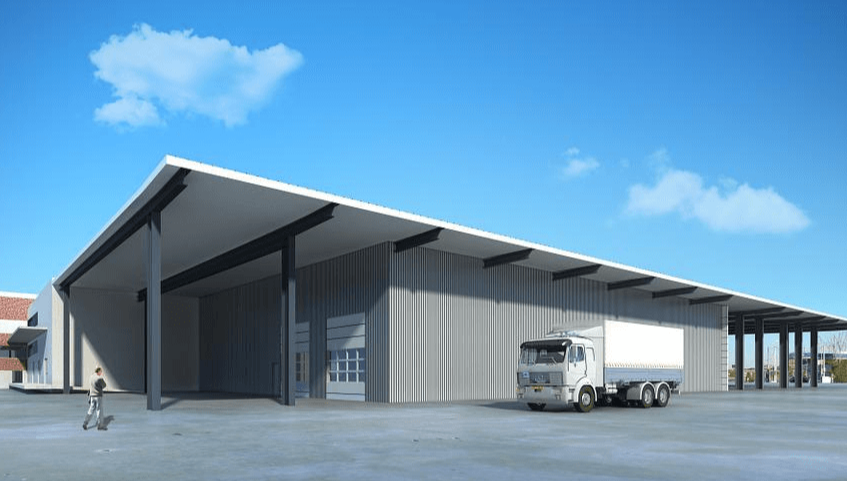
A business looking to optimize its warehouse in Sydney utilized a combination of vertical shelving, narrow aisles, and a streamlined workflow. By analyzing their storage needs and leveraging a WMS, they achieved higher productivity without compromising on safety or accessibility. This approach highlights the importance of thoughtful planning, even in compact spaces.
Conclusion
Designing a layout for a small warehouse requires balancing functionality, accessibility, and safety. By assessing your space, optimizing workflows, and planning for future growth, you can create an efficient and scalable warehouse setup. Remember, even small improvements can have a significant impact on productivity and profitability.